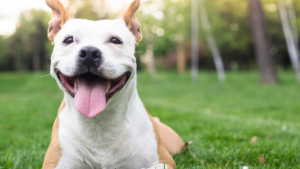
A dog-friendly yard doesn’t have to be nothing but grass.
Trees can create shady places for afternoon naps. Shrubs can give dogs interesting places to sniff and explore. Groundcovers and flowers add some personality to the yard for the humans who use it, too.
But dogs experience landscaping a little differently than we do. They sniff it, run through it, roll around on it, and occasionally decide that the plant you spent all Saturday putting in the ground looks delicious.
Choosing dog-friendly plants can help you create an outdoor space that works for everyone. Here’s what to consider before your next trip to the garden center.
What Makes a Plant Dog-Friendly?
When choosing plants for a dog-friendly landscape, safety should be the first consideration. Some common landscaping plants can be toxic to dogs if eaten, while others have thorns, sharp seed heads, or other features that may cause problems.
But there’s more to dog-friendly landscaping than avoiding toxic plants.
Think about how well a plant can handle your dog’s normal routine. A delicate flower planted directly alongside your dog’s favorite fence-running route probably isn’t going to have a very peaceful life.
Good plants for a dog-friendly yard should be appropriate for your climate and growing conditions, safe for dogs, and durable enough for wherever you plan to put them.
And remember: even a plant generally considered non-toxic can cause stomach upset if your dog eats enough of it. If you’re ever unsure about a particular plant, check the ASPCA’s toxic and non-toxic plant database or ask your veterinarian before adding it to an area your dog can access.
Dog-Friendly Flowers
You don’t have to give up a colorful garden just because you have a dog.
Some flowers generally considered non-toxic to dogs include:
- Roses
- Sunflowers
- Zinnias
- Snapdragons
- Marigolds
- Petunias
Where you plant them matters almost as much as what you plant.
If your dog regularly tears across one corner of the yard at full speed, that’s probably not where your new flower bed belongs. Raised beds, defined garden borders, or planting areas outside your dog’s usual running routes can help protect more delicate plants.
And if your dog is a digger, well…you may want to give those flowers a little extra space.
Dog-Friendly Shrubs
Shrubs can be particularly useful in dog-friendly landscaping because they add structure without necessarily taking away large amounts of play space.
Some shrubs considered non-toxic to dogs include certain varieties of:
- Camellia
- Crepe myrtle
- Hawthorn
- Bottlebrush
Always check the exact species or variety you’re considering rather than assuming an entire plant family is safe. Similar-looking plants can have very different effects when eaten.
Shrubs can also help define different parts of your yard. Strategic planting can encourage dogs away from garden beds or create a natural boundary between their play space and areas you’d rather they leave alone.
Dog-Friendly Groundcover Plants
Grass isn’t the only living groundcover you can use in a dog-friendly yard.
Depending on your climate, sunlight, and how much traffic an area receives, alternative groundcovers can add variety to your landscaping and potentially reduce the amount of traditional turfgrass you need to maintain.
One popular option for pet-friendly landscapes is creeping thyme, which is generally considered non-toxic to dogs and can create a low-growing groundcover.
Keep in mind, though, that “groundcover” doesn’t automatically mean “dog-proof.”
Some plants tolerate occasional foot and paw traffic better than others. A groundcover that thrives between stepping stones may not survive a 70-pound dog running across it 15 times a day. Match the plant to the amount of traffic the area actually receives.
What Plants Should Dog Owners Avoid?
Plenty of popular landscaping plants aren’t appropriate for areas where dogs have unsupervised access.
Plants that can be toxic to dogs include:
- Sago palm
- Oleander
- Azaleas and rhododendrons
- Yew
- Autumn crocus
- Certain lilies
The severity of poisoning varies considerably by plant and the amount consumed. Some may cause gastrointestinal symptoms, while others can lead to severe or life-threatening poisoning.
If your dog has eaten a plant you believe may be toxic, don’t wait for symptoms to appear. Contact your veterinarian or a pet poison control service for guidance.
It’s also worth remembering that toxicity isn’t the only potential hazard. Thorny plants, sharp grasses, burrs, and plants that produce problematic grass awns may be poor choices around areas where dogs regularly run and play.
Don’t Forget About Mulch
Your plants aren’t the only part of a garden bed your dog may decide to taste.
Be thoughtful about the mulch and other landscaping materials you use around dog-accessible areas. Cocoa mulch, for example, is made from cocoa bean shells and can contain compounds that are toxic to dogs.
Rock and gravel can eliminate some plant-maintenance concerns, but they may create their own issues depending on your dog and how the area is used.
The goal isn’t simply to find materials that look good. Think about what happens when your dog walks across them, digs in them, lies on them, or puts them in their mouth.
Give Dogs Room to Be Dogs
Here’s one of the easiest ways to make landscaping more dog-friendly: stop designing as if the dog isn’t going to use it.
Watch your dog for a while before redesigning the yard.
Does your pup patrol the same fence line every morning? Is there one path from the back door to the favorite potty spot? Is a shady corner the official afternoon nap location?
Those patterns tell you where plants probably shouldn’t go.
Instead of planting directly across established dog routes and trying to convince your dog to change, incorporate those routes into your landscape. You can reserve open areas for running and play while placing flowers, shrubs, and more delicate vegetation where they’re less likely to get trampled.
Your dog has already helped design the yard. You might as well listen.
Protect Plants and Grass in High-Traffic Areas
Even dog-friendly plants have limits.
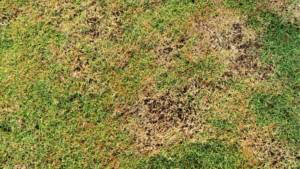
Repeated paw traffic can damage vegetation at the plant crown, compact soil, and eventually expose bare ground. Once vegetation disappears, rain can turn those areas into mud.
This is particularly common around:
- Gates and entrances
- Fence lines
- Dog runs
- Water stations
- Favorite potty areas
- Paths between the house and yard
- Places where multiple dogs gather or play
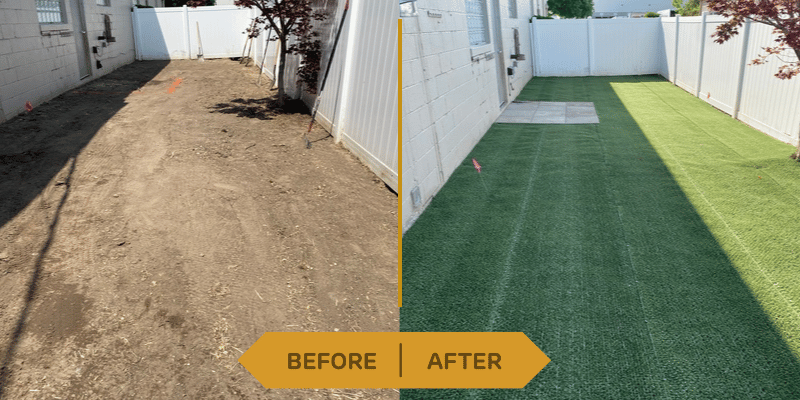
Natura hybrid turf can help reinforce these high-traffic areas while allowing living vegetation to remain part of the landscape.
Can Plants Grow Through Natura Hybrid Turf?
Yes. Natura isn’t limited to traditional lawn grass.
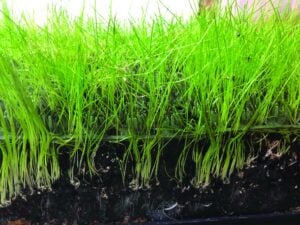
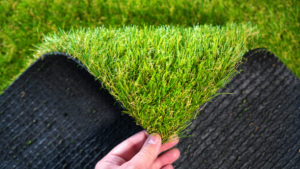
The three-dimensional, perforated design allows vegetation to grow through the hybrid turf while Natura helps protect the plant crown and ground beneath from repeated paw traffic. That gives you more flexibility to use grasses or other suitable groundcovers as part of your dog-friendly landscape.
Of course, Natura doesn’t make a plant grow where it otherwise couldn’t. Every plant still needs the appropriate amount of sunlight, water, suitable soil, and climate conditions.
The idea is to protect vegetation where it can grow and provide ground cover in areas where heavy dog traffic would otherwise leave exposed soil behind.
Keep the Natural Ground Dogs Love
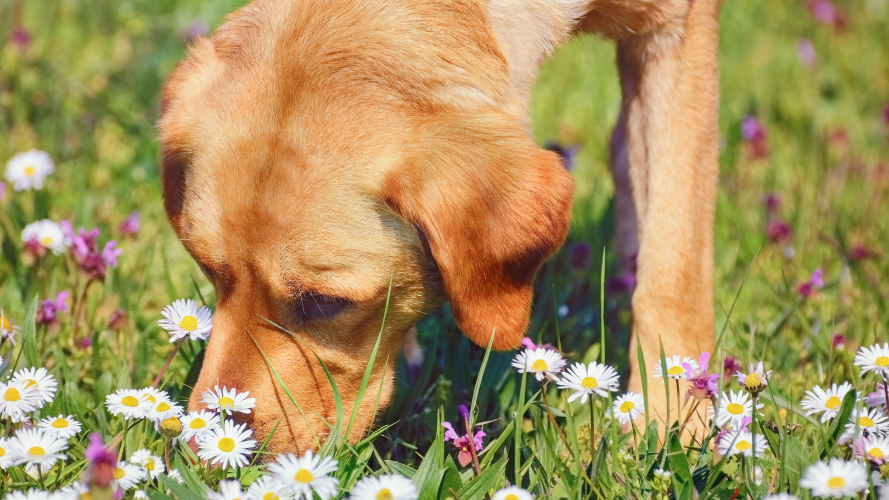
There’s another reason we like living landscapes for dogs: dogs love to sniff.
Their noses are one of their primary ways of exploring the world. Natural soil and vegetation hold an ever-changing collection of smells from plants, animals, weather, and, yes, other dogs.
Traditional synthetic grass replaces that living surface with a fully synthetic one. Natura takes a different approach. The perforated structure allows dogs to remain connected to the natural ground beneath while vegetation can grow through the surface.
For a dog, that’s a lot of interesting stuff to sniff.
Build a Dog-Friendly Landscape That Works for Everyone
The best dog-friendly plants aren’t necessarily the fanciest plants at the garden center. They’re the ones that are safe for your dog, suited to your climate, and planted somewhere they actually have a chance to thrive.
Design around the way your dog already uses the yard. Give them room to run and sniff, keep potentially toxic plants out of reach, and protect the vegetation in areas that receive the most paw traffic.
With Natura hybrid turf reinforcing the hard-working parts of your yard, you can preserve more of the living landscape both you and your dog enjoy.