Pros and Cons of Artificial Grass With Dogs
If you’re a dog owner who’s also tired of the mess and hassle of a regular lawn, you may have thought about turning to artificial grass at one point. Muddy paws and yard work can be a real pain, which is why artificial grass has become so popular. However, it’s not always the perfect choice. Like any landscaping choice, there’s a lot to consider, especially when you’ve got a furry friend involved.
Let’s get into the pros and cons of artificial grass with dogs, so you can make an informed decision about what works best for your outdoor space.
The Pros of Artificial Grass for Dogs
Lots of manufacturers now make turf specifically designed for dog owners that’s supposed to be better at drainage, smell reduction, and durability. Additionally, some pet owners love the idea of a low-maintenance outdoor space that stays green year-round.
1. Artificial Grass Can Handle the Heavy Use
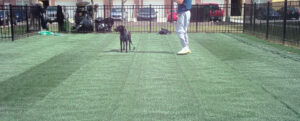
High-quality synthetic turf is built to last even in areas where your dog loves to play. If your pup spends hours outside, artificial pet turf can help prevent the bare spots that natural grass just can’t handle, because you replace the natural grass.
2. No More Mowing
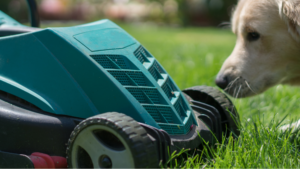
Synthetic grass eliminates the need for mowing. And that’s not all: no more reseeding, no more sod replacement, and no more lawn care in general. It’s a no-brainer for some homeowners who don’t have the time or energy to keep up with their lawn.
3. Bye-Bye Mud
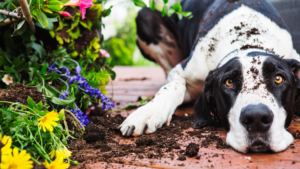
One of the biggest problems with grass lawns is mud, so fake grass—or artificial lawn systems—completely eliminate it. No more muddy paw prints and no more tracking mud into the house after playtime.
4. It Looks Good All Year Round
Artificial grass stays looking great in all conditions, such as rain, sun, you name it. If you’re the type of homeowner who likes a consistent curb appeal, that is a major benefit.
The Cons of Artificial Grass With Dogs
Now let’s talk about the downsides of artificial grass, which are just as important to consider.
1. Installing Artificial Turf Is Expensive
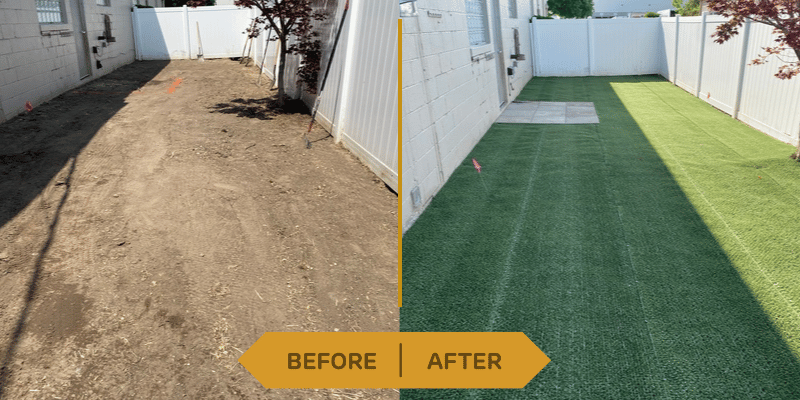
Installing artificial grass is a big upfront investment. We’re talking excavation, base layers, compacting, infill, and professional labor. It’s not a DIY job for the faint of heart. And compared to sod or reseeding, it can be a lot more expensive, too.
2. It Can Get Hot in Direct Sunlight
Synthetic turf, especially the darker or those with high pile height, can get pretty hot on summer days. Even pet-friendly artificial grass products can get warm in direct sunlight, which might be a problem for you and your pup.
3. Maintenance Can Be a Pain
Most artificial turf systems rely on infill materials to keep the blades upright and allow for drainage. But over time, infill can shift or become compacted, and you’ve got to clean up pet waste regularly to prevent buildup and odor. Some pet-friendly turf products have antimicrobial treatments, but you still have to keep up with maintenance.
4. It’s Still Not the Real Deal
While high-quality systems of artificial grass are built to last, some pet owners still worry about the chemicals used in construction, allergens, or long-term environmental impact.
A Different Approach: Working With What You’ve Got
Not everyone needs to rip out their natural lawn and replace it with artificial grass. Sometimes, it’s just about solving the specific problem areas.
Think about the trouble spots in your yard, such as the areas your dog runs, the worn path to the gate, the play areas, and the low spots where puddles form. In many cases, it’s not the whole lawn that’s the problem; it’s just those few key areas.
That’s where hybrid turf comes in.
Hybrid Turf: A New Way To Think About Artificial Grass
Hybrid turf isn’t about replacing your natural lawn entirely. It’s about targeting the areas that need help and protecting that grass as it grows.
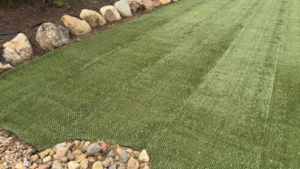
You get the benefits of artificial turf in the high-traffic zones, but still allow the earth to breathe. No infill is needed as it installs directly over soil, and it supports natural drainage. It’s a more balanced way to solve your lawn problems because it works alongside your existing lawn rather than ripping it out.
Real grass can pop up in some spots, or it can just cover the high-traffic areas or the general wear and tear in your yard. Either way, you end up with a yard that can take a beating and is a heck of a lot easier to clean.
Your outdoor space doesn’t have to be a muddy mess or a full-on artificial turf installation to be functional…it can be something in between!
So, What’s the Decision?
There are definite pros and cons of artificial turf when it comes to dogs. Some dog owners are all for a full artificial grass installation.
But for a lot of people—especially those who actually love their lawn and want to do the right thing for the environment—reinforcing the problem areas might be the smarter way to go
You don’t necessarily need to rip out the whole lawn to get rid of muddy paws, damage, or just high-traffic wear & tear.
Sometimes the best solution is one that lets dogs and grass coexist. And that’s exactly what hybrid turf was made for.