If you’ve been researching ways to improve your lawn, you’ve probably seen the terms “artificial grass” and “turf” used interchangeably. While they’re often talking about similar products, “turf” is actually a much broader term.
Artificial grass generally refers to a fully synthetic surface designed to look like natural grass. Turf, on the other hand, can refer to natural turfgrass, artificial turf, or hybrid turf products that combine synthetic reinforcement with living vegetation.
Understanding those differences can help you choose a surface that makes sense for your yard, especially if you have dogs.
What Is Artificial Grass?
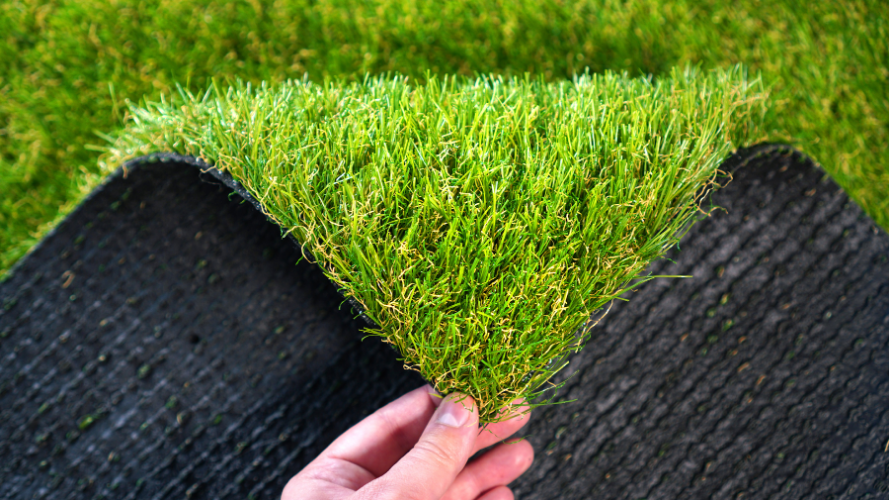
Artificial grass is a synthetic ground covering manufactured to resemble a natural lawn. It typically uses synthetic fibers attached to a backing material to create the appearance and texture of grass blades.
Unlike a living lawn, artificial grass doesn’t grow and doesn’t require mowing or watering to stay green. Once installed, the synthetic surface replaces the natural grass and soil you would otherwise see.
Artificial grass is commonly used for:
- Sports and recreational spaces
- Play areas
- Dog yards
- Commercial landscaping
- Residential lawns
The appearance, durability, drainage, and feel of artificial grass can vary considerably depending on the product and how it’s installed.
What Is Turf?
“Turf” doesn’t describe one specific type of product.
Natural turf refers to living grass and the layer of soil held together by its roots. This is essentially what you have in a traditional grass lawn.
Artificial turf is a synthetic surface. Depending on the application, it may be designed to resemble natural grass or constructed primarily for athletic performance.
There’s also another category: hybrid turf.
Hybrid turf combines a synthetic reinforcement system with living grass or other natural vegetation. Instead of completely replacing the natural landscape, it helps protect the ground while vegetation grows alongside or through the product.
That’s the category Natura hybrid turf falls into.
Artificial Grass vs. Artificial Turf
When people compare artificial grass vs. turf, they’re frequently comparing two terms for synthetic surfaces.
In everyday conversation, “artificial grass” generally emphasizes appearance. It’s commonly associated with synthetic products designed to imitate the look of a residential lawn.
“Artificial turf” can refer to those same products, but the term is also frequently associated with sports fields, dog parks, and other high-traffic applications.
The terminology can vary by manufacturer and industry, so the name alone doesn’t tell you everything you need to know about a product. Looking at how the surface is constructed and installed is much more useful.
How Is Hybrid Turf Different?
Hybrid turf provides another option for people who don’t necessarily want to choose between natural grass and a completely synthetic lawn.
Natura hybrid turf uses a perforated, three-dimensional design that lies over the ground while allowing natural vegetation to grow through it. The product helps protect the plant crown and reinforces areas exposed to frequent traffic.
Rather than trying to make a synthetic lawn look like living grass, Natura works with the living landscape that’s already there.
That distinction is particularly useful for dog owners. Dogs can still interact with natural ground and vegetation, while the hybrid turf creates a barrier between their paws and the soil beneath.
Artificial Grass vs. Hybrid Turf Installation
Installation is another significant difference to consider.
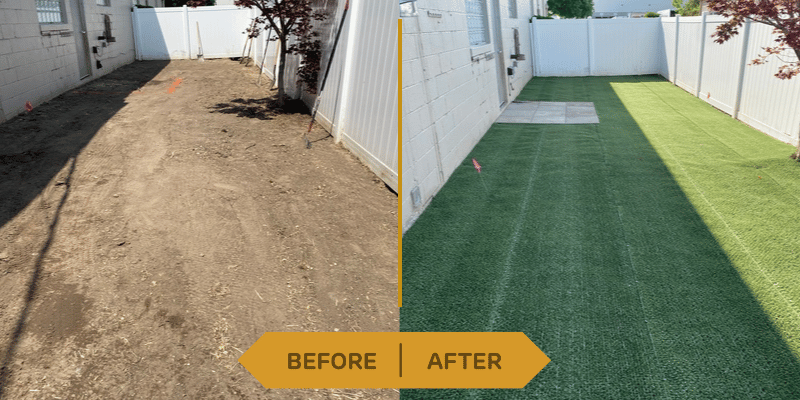
A traditional artificial grass installation can require removing existing grass and soil before building a new foundation for the synthetic surface. Depending on the system, installation may involve base materials, a weed barrier, edging, seams, and infill.
Natura hybrid turf takes a simpler approach. It can be installed directly over prepared soil without the rock base or infill associated with many traditional synthetic turf systems. After preparing and leveling the area, Natura is rolled out, cut as necessary, and anchored into place.
A weed barrier may also be used if preventing vegetation or weeds from growing through the area is part of your goal.
What About Infill?
Many artificial turf systems use infill between the synthetic grass fibers. Different systems may use materials such as silica sand or other types of infill to support the fibers and contribute to the performance of the finished surface.
Natura does not require infill.
Because Natura isn’t attempting to create a fully synthetic replacement lawn, there are no artificial grass blades that need to be supported with infill. Natural vegetation can instead grow through the hybrid turf.
Artificial Grass vs. Turf for Dogs
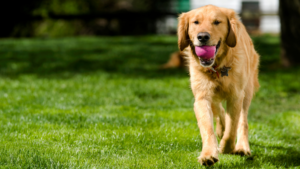
Dogs can put almost any outdoor surface to the test.
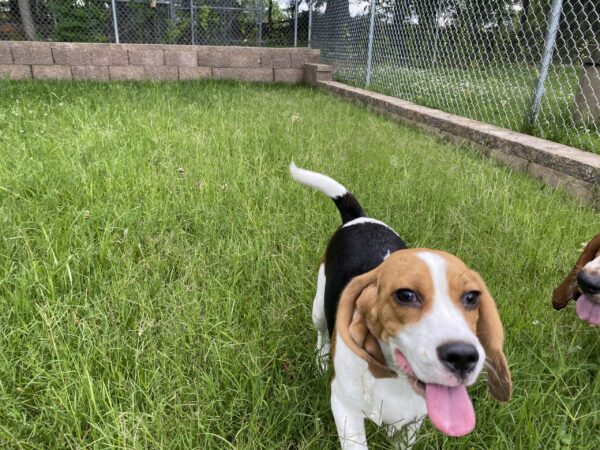
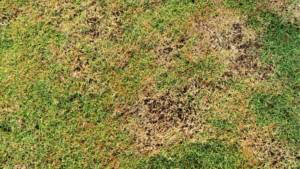
Running along fence lines, playing in the same areas, and repeatedly entering through the same gate can gradually wear away natural grass. Once the vegetation disappears, exposed soil can quickly become mud after rain.
Artificial grass addresses the problem by replacing the natural surface with synthetic grass. That can provide consistent ground coverage even where living grass struggles.
Hybrid turf approaches the same problem differently.
Natura reinforces the ground and helps protect natural grass where growing conditions support it. In areas where vegetation is sparse, Natura still creates a barrier between paws and exposed soil that can help reduce mud.
For dog owners who would rather preserve natural grass than replace it, that can be an important distinction.
Does Artificial Grass Get Hot?
Heat is worth considering when choosing any outdoor surface for dogs.
Synthetic surfaces can absorb heat when exposed to direct sunlight, and their temperatures can become significantly different from those of living vegetation.
A living lawn benefits from the natural cooling effects of plants and moisture. Because Natura allows natural vegetation to grow through rather than replacing it with a fully synthetic lawn, those living plants can continue providing their natural cooling effects.
Conditions still vary based on sunlight, climate, vegetation coverage, and other environmental factors, so any outdoor surface should be checked during hot weather before dogs are allowed to play on it.
Which Requires More Maintenance?
Natural lawns require regular lawn care, including mowing, watering, and seasonal maintenance. Artificial grass eliminates mowing, but that doesn’t mean it’s maintenance-free.
Depending on the system and how the area is used, synthetic turf maintenance can include removing debris, rinsing the surface, managing pet waste, maintaining infill, and periodically brushing the fibers.
Natura is designed to fit into a more traditional lawn care routine. If grass grows through the hybrid turf, you can mow it as you normally would. The area can also be hosed off when necessary, and solid dog waste can be picked up as usual.
Which Looks More Natural?
This largely comes down to what you mean by “natural.”
Modern artificial grass is manufactured to imitate the color, shape, and texture of grass. Higher-quality products can create a convincing appearance, but the visible surface remains synthetic.
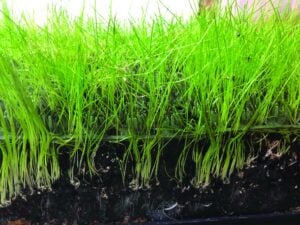
Natura takes a different approach because the green you see can actually be living vegetation. Grass grows through the hybrid turf, allowing the appearance of the area to change naturally with your lawn and the seasons.
If grass becomes dormant in winter, for example, it may turn brown just like the rest of your lawn.
What If Grass Won’t Grow in Part of My Yard?
Hybrid turf doesn’t guarantee grass growth.
Sunlight, soil quality, moisture, climate, and the type of vegetation all affect whether grass can survive in a particular location. Installing Natura won’t change those fundamental growing conditions.
However, heavy traffic is sometimes the reason otherwise healthy grass struggles. In those situations, Natura can help protect the vegetation from repeated wear.
Where grass simply can’t grow, the hybrid turf can still cover exposed ground and help separate paws from mud.
Can I Use Different Surfaces in the Same Yard?
Absolutely. Your entire property doesn’t necessarily need the same solution.
You might maintain an open natural lawn while reinforcing the fence line where your dog runs every day. Other homeowners may install hybrid turf around gates, dog runs, shaded muddy areas, or other high-traffic locations.
Designing around how your yard is actually used can help you address problem areas without unnecessarily replacing healthy grass.
Artificial Grass vs. Turf: Which Is Right for Your Yard?
When comparing artificial grass vs. turf, don’t focus on terminology alone. Think about what you want your outdoor space to be.
If you want to replace your living lawn with a consistently green synthetic surface, traditional artificial grass may fit that goal.
If you want to keep natural grass while giving high-traffic areas additional protection, Natura hybrid turf offers a different solution. It works with the ground and vegetation rather than covering them with a replacement lawn.
For dog owners dealing with muddy patches and grass that repeatedly wears away, that middle ground can make a big difference. You can protect the parts of your lawn that work the hardest while keeping the natural outdoor environment you and your dogs enjoy.