Patchy grass can make an otherwise healthy lawn look worn and neglected. More importantly, bare spots leave exposed soil vulnerable to weeds, erosion, and mud after it rains.
The good news is that many patchy lawns can be repaired. The first step is figuring out why the grass disappeared in the first place. From heavy dog traffic and compacted soil to poor growing conditions, different causes require different solutions. And if the same areas keep wearing out year after year, protecting the grass may be just as important as repairing it.
Why Is My Grass Patchy?
Before reaching for a bag of grass seed, take a closer look at where the bare patches are forming. Their location can tell you a lot about what’s happening.
Common causes of patchy grass include:
- Heavy foot or dog traffic
- Compacted soil
- Too much or too little water
- Poor drainage
- Insufficient sunlight
- Pet urine
- Lawn diseases or pests
- Improper mowing
- Grass varieties that aren’t well suited to the local climate
You may also notice patterns. If grass repeatedly disappears along the fence where your dog runs, for example, traffic is probably playing a bigger role than your watering schedule.
Once you’ve identified the likely cause, you can repair the area and make changes that help prevent the same problem from returning.
1. Remove Dead Grass and Prepare the Soil
If you’re repairing a bare patch, start by removing dead grass, weeds, and other debris from the area. Loosen the top layer of soil with a rake so new grass roots have a better environment in which to establish.
If the soil is severely compacted, aeration may also be helpful. Compacted ground makes it difficult for water, air, and nutrients to reach grass roots, which can make an already struggling patch harder to repair.
For larger problem areas, consider testing the soil before reseeding. A soil test can identify issues with pH or nutrients that may be limiting healthy grass growth.
2. Choose the Right Grass Seed
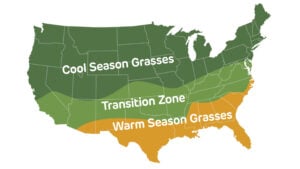
Not every type of grass will thrive in every yard. Select grass seed based on your climate as well as the conditions in the particular area you’re repairing.
Sun exposure matters, too. Grass that thrives in a sunny backyard may struggle beneath a large shade tree or alongside a building that blocks sunlight for much of the day.
If dogs are contributing to your patchy lawn, look for a grass variety known for tolerating traffic and recovering from wear. Tall fescue and Kentucky bluegrass are common options in cooler climates, while bermudagrass is known for its durability in many warmer regions.
3. Reseed Bare Patches
Once the soil is prepared, spread grass seed evenly according to the directions for the variety you’ve chosen. Lightly rake the seed into the soil to improve seed-to-soil contact.
Keep the area consistently moist while the grass germinates. New seedlings can dry out quickly, so they generally require more frequent watering than established turfgrass.
You’ll also want to limit traffic while the new grass establishes. This can be particularly challenging for dog owners, but repeatedly running across young seedlings can undo your repair work before the grass has a chance to develop.
4. Fix Your Watering Routine
Both overwatering and underwatering can contribute to a patchy lawn.
Frequent, shallow watering can encourage shallow roots, while too little water can leave grass stressed and unable to recover from everyday wear. Established lawns generally benefit from deeper watering that encourages roots to grow farther into the soil, although exact watering needs depend on your grass, soil, climate, and current weather.
Watch for areas that behave differently from the rest of the lawn. A low spot that remains soggy long after the rest of your yard dries may have a drainage problem rather than a watering problem.
5. Address Patchy Grass From Dog Urine
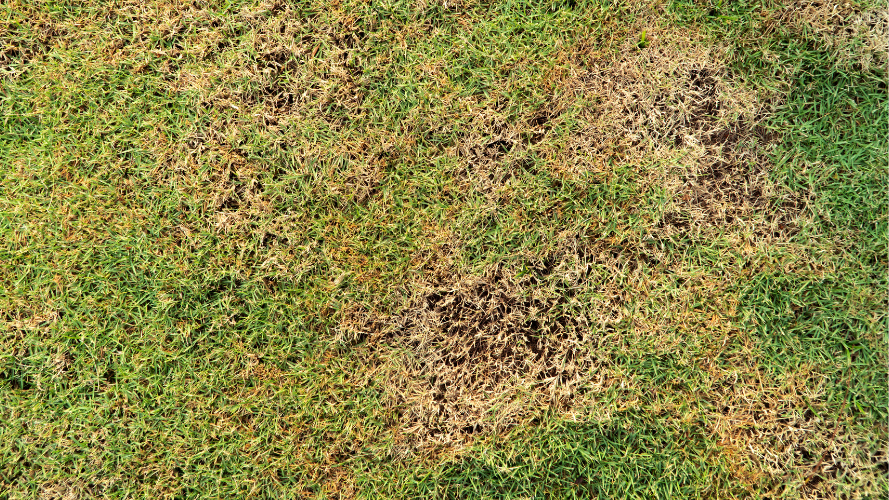
Dog urine can sometimes leave yellow or brown patches surrounded by darker green grass. The concentrated nitrogen and salts in urine can damage grass, particularly when a dog repeatedly uses the same location.
Keeping your dog hydrated and watering the affected area can help dilute urine in the soil. You can also encourage your dog to use a designated potty area if repeated damage is becoming difficult to manage.
Avoid lawn products marketed as quick fixes unless you know exactly what is causing the problem. Adding more fertilizer to grass that’s already receiving excess nitrogen, for example, could make matters worse.
6. Take Care of Your Existing Grass
Healthy grass is better equipped to recover from everyday stress, so ongoing lawn maintenance matters after you’ve repaired the patches.
Mow at an appropriate height for your grass species rather than cutting the lawn extremely short. Fertilize according to the needs of your soil and grass, and address weeds before they take over bare areas.
Seasonality matters as well. Depending on your grass type, certain times of year are better for seeding and establishing new growth. Repairing a lawn when your particular grass is actively growing can give it a better opportunity to become established.
7. Protect High-Traffic Areas From Repeated Damage
Sometimes patchy grass isn’t really a grass-growing problem.
You can reseed a pathway six times, but if your dog sprints across the same strip of lawn every day, the new grass is still being subjected to the same traffic that damaged the original lawn.
Pay attention to areas such as:
- Fence lines where dogs patrol
- Gate entrances and exits
- Dog runs
- Favorite play areas
- Paths through the yard
- Areas around water bowls
- Spots where dogs frequently gather
Rather than repeatedly repairing these areas, reinforcing the ground can help address the underlying problem.
Can Natura Help With Patchy Grass?
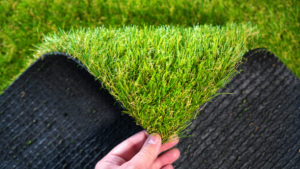
Natura hybrid turf is designed to work with natural grass rather than replace your entire lawn.
The open, permeable design allows grass and other vegetation to grow through while helping protect the ground from repeated paw traffic. Where growing conditions are favorable, that protection can give grass a better opportunity to establish and remain protected from everyday wear.
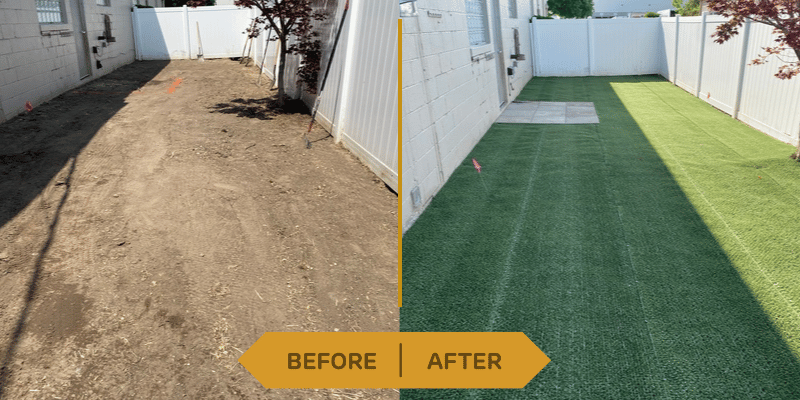
Natura can also be useful in areas where maintaining thick grass is difficult. By creating a barrier between paws and exposed soil, the hybrid turf can help reduce the muddy conditions that often develop once a bare patch forms.
This distinction is important: Natura does not make grass grow. Sunlight, water, soil conditions, climate, and proper lawn care still determine whether grass can thrive. Natura helps protect vegetation where it can grow and provides ground coverage where maintaining grass is more challenging.
Do You Have to Install Natura Across the Entire Yard?
No. One of the advantages of hybrid turf is that you can focus on the parts of your yard that need additional protection.
If most of your lawn looks great but the path along your fence constantly turns into a muddy strip, you can reinforce that particular area. You can also use Natura in multiple high-traffic zones while maintaining the rest of the yard as you normally would.
For larger areas, Natura can be installed more extensively depending on how your dogs use the property and what you’re trying to accomplish.
Can You Mow Grass Growing Through Natura?
Yes. Once natural grass grows through Natura hybrid turf, you can continue mowing the area as part of your normal lawn maintenance routine.
This is one of the biggest differences between hybrid turf and a fully synthetic lawn. Natura is intended to become part of a living landscape rather than imitate one.
Stop Repairing the Same Patchy Grass
Learning how to fix patchy grass starts with identifying why the lawn is struggling. Improving soil conditions, reseeding at the right time, adjusting your lawn care routine, and addressing drainage can give damaged grass a better opportunity to recover.
But when dogs repeatedly wear down the same areas, growing new grass may only solve the problem temporarily. Natura hybrid turf helps protect those hard-working parts of your lawn while allowing natural vegetation to grow through where conditions support it.
Instead of starting over every time a bare spot becomes muddy, you can build a yard that’s better prepared for the way your dogs actually use it.