Dog ownership requires more than just maintaining the health and wellness of your furry friend. One of the key components of owning a dog that many people often overlook is the care and maintenance of a backyard.
For dogs, a backyard plays a key role in their life, typically providing a space for them to play, go to the bathroom, and simply be a dog. For homeowners, that raises an important landscaping question: should you rely on sod (real grass) or switch to artificial turf for dogs?
Both options work well for different reasons, so it’s important to consider factors like maintenance, safety, odor control, and long-term upkeep to determine which option might be a better fit for you and your dog’s lifestyles.
Sod for Dogs
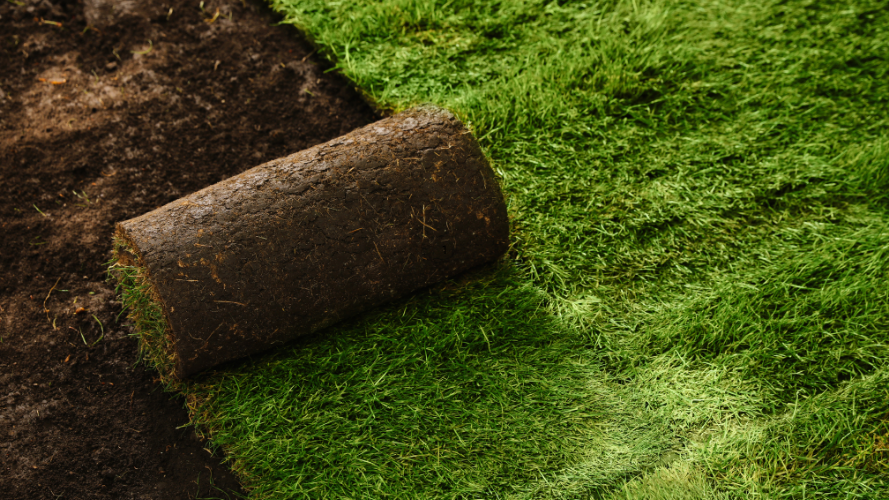
Sod is a common choice for homeowners preferring the look and feel of natural grass for their dogs.
Pros of Sod for Dogs
Natural Feel
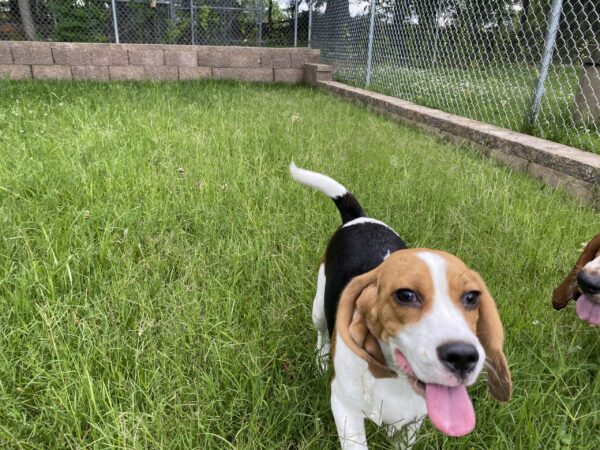
Most dogs instinctively enjoy running and rolling on real grass due to the smell, texture, and soil beneath the surface, which provide sensory enrichment.
Lower Initial Cost
Installing sod usually costs less up front than installing artificial grass. For budget-conscious homeowners, this can make sod appealing.
Cooling Effect
During hot months, natural grass tends to stay cooler than synthetic surfaces, which can be more comfortable for sensitive dogs’ paws.
Cons of Sod for Dogs
Wear and Tear
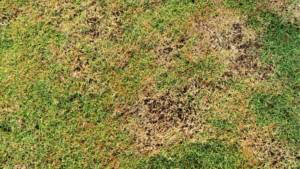
Active dogs can easily damage sod. Dog urine often causes yellow spots, and heavy traffic in play areas can harm grass.
High Maintenance
Maintaining real grass requires ongoing upkeep, including treating, mowing, and watering.
Mud and Puddles
After rain, sod yards can quickly turn into muddy areas. Dogs often track that mud indoors, and puddles can form in high-traffic spots.
Allergens and Chemicals
Grass lawns often require fertilizers or pesticides, which can raise concerns for pet-friendly households. Grass can also hold onto harmful pollen and other allergens.
Higher Water Bills
Keeping a lawn healthy often requires regular watering, which can increase water bills, especially during hot summer months.
Artificial Turf for Dogs
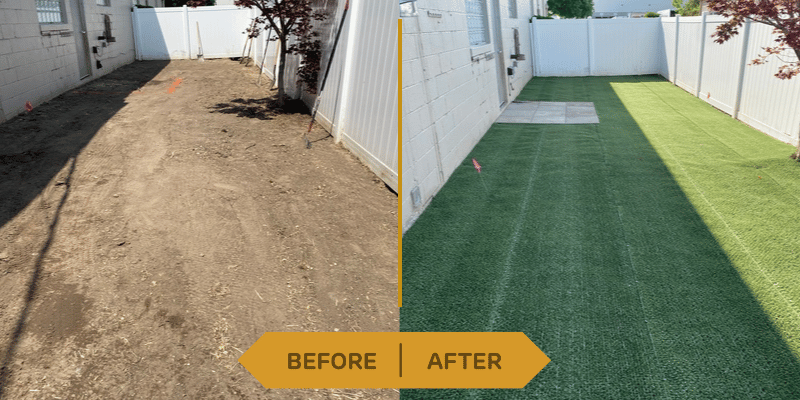
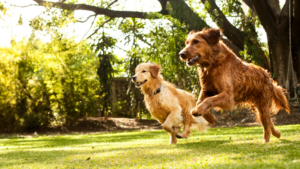
Some pet owners use artificial turf for yards that require more durability. This might be especially true for people who own more than one dog or who own dogs that live very active lifestyles.
Pros of Artificial Turf for Dogs
Durable for Active Dogs
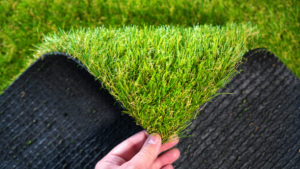
Dogs can create a lot of wear and tear. Artificial turf for dogs is designed to be extremely durable and stay maintained even after dogs run, dig, and go potty.
Low-maintenance
One of the biggest advantages of synthetic grass is how low-maintenance it is compared to sod. You won’t need to mow, fertilize, or water the lawn. This is ideal for homeowners who don’t want extra responsibilities.
Better Drainage and Fewer Puddles
Professional pet turf systems include drainage layers that allow liquids to pass through easily. This helps prevent standing water and puddles, even after heavy rain or frequent bathroom use.
Odor Control Technology
Quality pet-friendly artificial turf often includes antimicrobial components and drainage layers designed for odor control to help prevent bacteria buildup.
Reduced Allergens
Unlike natural lawns, artificial grass doesn’t produce pollen and doesn’t require chemical lawn treatments, which is ideal for reducing allergens or chemical exposure.
Cons of Artificial Turf for Dogs
Higher Upfront Investment
Installing artificial turf typically costs more initially than laying sod. However, lower maintenance costs typically offset the price over time.
Surface Temperature
Some synthetic grass can get warm in direct sunlight. Choosing high-quality dog-friendly turf and incorporating shaded areas can help manage this.
Cleaning Requirements
While maintenance is easier, pet turf still requires occasional rinsing and removal of solid pet waste to maintain freshness.
Safety Considerations for Dogs
Whether you choose natural grass or artificial turf, your dog’s safety should be a priority.
For sod lawns, the biggest concerns usually involve pesticides, fertilizers, and muddy conditions that can irritate paws or cause digestive issues if ingested.
With artificial turf for dogs, safety depends on the materials and the installation quality. Premium turf options designed for pets are made from pet-friendly, non-toxic materials and include antimicrobial layers to support hygiene and odor control. Professional installation also ensures proper drainage, which prevents moisture buildup and keeps the surface cleaner for your furry friends.
Maintenance Comparison
Here’s how the two options typically compare for everyday maintenance:
Sod/Natural Grass
- Requires regular mowing
- Needs fertilizing
- Often requires weed or pesticide treatments
- Can develop mud and bare patches
- Requires watering, increasing water bills
Artificial Turf
- Occasional rinsing
- Removing pet waste
- Minimal brushing or grooming
- No mowing, fertilizing, or watering
- Still great for dog enrichment
FAQs
Is artificial turf safe for dogs?
Yes. High-quality artificial turf is designed with pet safety in mind. Many systems include antimicrobial technology and optimal drainage to reduce bacteria and odor. When installed correctly using pet-friendly materials, synthetic grass can provide a safe surface for dogs to run and play in, while also still providing optimal enrichment for sniffs and exploring.
Do dogs like artificial grass?
Most dogs adapt quickly to fake grass, especially when it’s installed in areas they already use as a dog potty or play space. The surface stays consistent and comfortable under dogs’ paws, and many dogs enjoy the clean, dry environment compared to muddy yards.
How do I choose between sod and turf for my dogs?
Consider your dog’s activity level, your maintenance preferences, and your yard conditions. Natural grass may work for lighter use, but yards with heavy dog use often benefit from durable artificial turf. For many homeowners, the lower upkeep, improved odor control, and year-round appearance make pet turf a practical long-term solution.
Sod or Turf: Choosing the Right Option for Your Yard
The right choice depends on how your yard is used.
If you value a natural lawn and are willing to keep up with reseeding, watering, and ongoing lawn care, sod can be a good fit. It works best in lower-traffic areas where grass has time to establish and recover.
If your dogs are especially active, or your yard regularly deals with dog urine, digging, or muddy patches, artificial turf can offer a more durable, low-maintenance surface. It eliminates mud and reduces wear, but it also replaces the natural lawn entirely.
What about a Middle Ground? HYBRID Turf from Natura!
For many homeowners, the goal isn’t choosing between grass or turf. It’s finding a way to make their yard work better.
That’s where hybrid turf comes in.
Natura is designed to protect grass where it can grow and cover the high-traffic areas where it can’t. Instead of replacing your lawn, it reinforces it! This helps reduce wear, limit muddy patches, and keep your yard usable.
If you like the look and feel of real grass but are tired of constantly replacing it, Natura gives you a way to protect what’s already there. And in the areas where grass struggles most, it provides immediate coverage so your yard is simply better than it was before.
Learn more about HYBRID turf