Dogs are tough on lawns. Between running, playing, chasing toys, and taking potty breaks, even a healthy yard can begin to show signs of wear.
The good news is that you don’t have to choose between a beautiful lawn and a dog-friendly yard. Choosing the right grass is an excellent first step, but it’s only part of the solution. The healthiest lawns are the ones that combine the right grass with the right strategy for protecting it.
What Makes Grass Wear Out?
Heavy dog traffic affects more than just the grass blades you see on the surface.
Over time, repeated paw traffic can:
- Compact the soil
- Wear down the grass blades
- Damage the plant crown
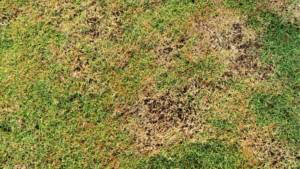
- Create bare patches that quickly become muddy
Certain areas are especially vulnerable, including dog runs, gate entrances, fence lines, and favorite play areas. Once grass disappears from these spots, they often continue to deteriorate unless the underlying cause is addressed.
Best Grass Types for Dogs
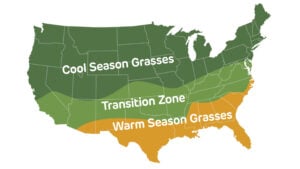
There isn’t one perfect grass for every yard. The best choice depends on your climate, sunlight, and how your dogs use the space.
1. Tall Fescue
Tall fescue is one of the most popular choices for homes with dogs. Its deep root system helps it recover from everyday wear, and it performs well in many cool-season climates.
2. Kentucky Bluegrass
Kentucky bluegrass spreads through underground rhizomes, allowing it to naturally fill in worn areas over time. It creates a lush lawn but may require additional maintenance depending on your region.
3. Perennial Ryegrass
Perennial ryegrass germinates quickly, making it a popular option for overseeding damaged areas. While it establishes fast, it performs best when combined with other cool-season grasses.
4. Bermudagrass
For warmer climates, bermudagrass is often one of the most durable options available. It tolerates heat well and recovers quickly from heavy traffic during its active growing season.
A Healthy Lawn Starts Below the Surface
The type of grass you choose is important, but healthy soil is just as critical.
Compacted soil makes it harder for grass to establish deep roots and recover from traffic. Regular aeration, proper watering, and appropriate fertilization all contribute to a stronger lawn that can better withstand daily activity from dogs.
Good drainage also plays a major role. Areas that remain wet after rain often become muddy much faster, creating additional stress on the grass.
Protect the Areas That Take the Most Abuse
Even the toughest grass has limits.
Most dog yards have a handful of locations that receive significantly more traffic than the rest of the lawn. Trying to make grass survive constant use in these areas often leads to a cycle of reseeding, sod replacement, and ongoing maintenance.
That is why you should focus on reinforcing the areas that work the hardest.
These commonly include:
- Gate entrances
- Fence lines
- Dog runs
- Paths between favorite play areas
- Water stations
- Designated potty areas
Protecting these zones allows the surrounding grass to stay healthier while reducing the amount of repair work needed throughout the year.
Why Hybrid Turf Makes Sense
Many homeowners researching the best grass for heavy dog traffic sometimes begin looking at artificial turf. Traditional synthetic turf can provide a durable surface, but it also replaces your natural lawn with a fully synthetic one.
Natura hybrid turf offers a different approach.
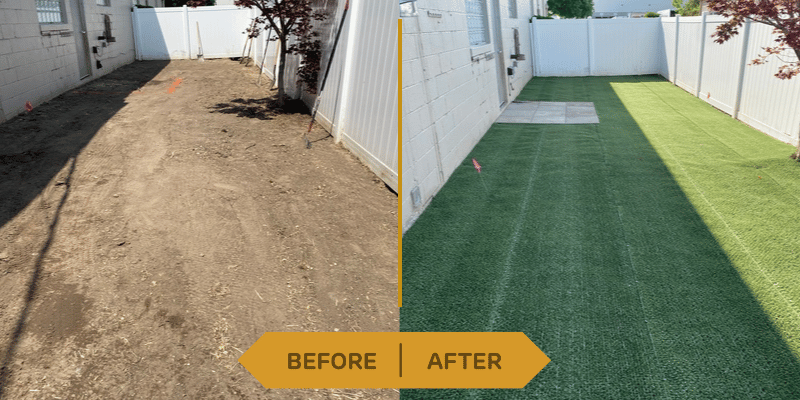
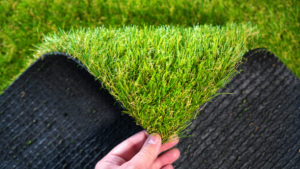
Instead of replacing your grass, Natura is designed to work alongside it. The permeable hybrid turf allows grass to grow through while helping protect the plant crown beneath the surface from repeated paw traffic. As a result, the areas that typically wear out first have a better opportunity to remain functional while still looking and feeling like part of a natural lawn.
Because Natura works with existing grass instead of replacing it, homeowners can continue mowing, maintain the natural appearance of their yard, and enjoy the benefits of a living landscape.
Less Repair, More Enjoyment
One of the biggest frustrations for dog owners is feeling like they’re constantly repairing the same spots.
Choosing a durable grass variety certainly helps, but protecting the highest-traffic areas often has an even bigger impact over time.
Rather than repeatedly reseeding worn patches or replacing sod every season, Natura helps reduce the stress placed on your lawn so it can recover more naturally. That means less time spent repairing your yard and more time enjoying it with your dogs.
Key Takeaways
The best grass for heavy dog traffic depends on where you live, but no grass can withstand constant wear forever.
The most successful dog yards combine:
- A grass variety suited to the local climate
- Healthy soil and proper lawn care
- Good drainage
- Protection for high-traffic areas
When you stop expecting your grass to do all the work on its own, you’ll create a yard that’s cleaner, healthier, and better equipped for life with dogs. Natura hybrid turf helps make that possible by protecting your lawn where it needs it most while preserving the natural look and function of your outdoor space.